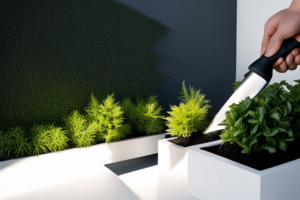
Pruning is one of the most important tools in the gardening arsenal of any plant owner who wants to grow healthy, robust plants that produce tasty fruit and vibrant blooms. Pruning is the process of removing dead, damaged, or overgrown branches or stems from plants to encourage healthy growth. Many gardeners overlook the importance of pruning, but it is a vital aspect of gardening that can significantly impact the growth, appearance, and health of your plants. In this blog post, we will dive into the reasons why pruning is important for the growth of your plants and how it can enhance your gardening experience. Whether you are a seasoned gardener or just starting, understanding and implementing pruning techniques will give your plants the best chance for success.
Pruning is an essential practice that every gardener should know. By removing the weak, damaged, and excess branches, you allow your plants to focus their energy and resources on healthy growth. With more air circulation and improved exposure to light, the plants can photosynthesize more effectively, leading to better growth and yield. In addition, pruning can help keep the plant's size and shape in check, making it easier to manage your garden space. These benefits can save you time, money, and effort in the long run, as your plants will require less care and maintenance while producing more exceptional results. Whether you are growing flowers, fruits, or vegetables, incorporating pruning into your gardening routine is crucial for obtaining healthy, thriving plants that will bring you joy and satisfaction.
If you want your garden to flourish, then pruning should be part of your plant care routine. Although it may seem counterintuitive to cut back your plants, pruning is actually essential to their growth and well-being. One of the benefits of pruning is that it promotes air circulation, which is necessary to keep your plants healthy. By trimming away dead or diseased branches, you can reduce the risk of fungal infections and mold growth. Proper pruning can also help to prevent pest infestations, which can wreak havoc on your garden.
In addition to improving air circulation, pruning can also help your plants grow stronger and more robust. By removing any weak or damaged branches, you can redirect the plant's energy to the healthier ones and encourage better growth. Pruning can also help to shape your plants, making them more visually appealing and increasing their yield. Fruit trees, for example, benefit greatly from regular pruning, as it can help to increase the size and quality of their fruit.
As a general rule, pruning is an essential part of plant care that should never be overlooked. While it may seem daunting at first, with some practice and guidance, anyone can become proficient at pruning. Not only can it help to improve the health and appearance of your plants, but it can also give you a sense of satisfaction and pride in your garden. So go ahead and grab those pruning shears – your plants will thank you for it!
Pruning helps to control the shape and size of your plants
Pruning helps to control the shape and size of your plants. This is essential, especially for those of us with limited space or who want to keep our gardens looking neat and tidy. Unpruned plants will soon become overgrown and messy, making them difficult to manage. By pruning regularly, you can keep your plants in shape and create a beautiful, well-manicured garden.
Pruning is also important for the growth of your plants. This technique can remove dead or diseased branches, which helps to encourage new growth. It also helps to improve air circulation, which reduces fungal diseases and insect infestations. When you remove dead or unwanted branches, you help the plant to focus its energy on producing new foliage and blossoms.
In addition to improving the health of your plants, pruning can also enhance their beauty. Through thoughtful pruning, you can highlight unique features or create stunning topiaries. With a little practice, anyone can learn to prune their plants effectively and enhance the overall aesthetic of their garden. So why not give it a go and see what a difference it makes to your plants and your outdoor space?
Pruning improves light penetration to the lower parts of your plants
If you want your plants to grow strong and healthy, pruning is an essential technique you should know. Pruning not only helps to remove dead or diseased branches but also improves light penetration to the lower parts of your plants, encouraging stronger and more robust growth.
When plants grow too bushy or tall, they can block sunlight from reaching the lower leaves and stems, causing them to weaken and wither away. By removing these unwanted branches, you enable more light to reach the lower parts, which can stimulate new growth and keep your plants thriving.
Moreover, pruning can also help to maintain the shape and size of your plants and increase their overall aesthetic appeal. By regularly trimming back overgrown branches, you can create a more tailored and beautiful look for your garden or indoor space.
Finally, pruning is one of the most crucial aspects of plant care that has a significant impact on their health and growth. By trimming and shaping your plants, you can improve light penetration to the lower parts, stimulate new growth, and maintain their overall beauty and health. So, take some time to learn this essential technique and enjoy the rewards of a lush, healthy garden or indoor jungle.
Pruning helps to reduce the need for fertilizer and water
Pruning is essential for the growth and health of your plants. When you prune your plants, you remove the dead or diseased parts, which helps to stimulate new growth. Pruning is also important because it helps to reduce the need for fertilizer and water. By removing dead or unhealthy parts of your plants, you are ensuring that the nutrients and water are being used to support healthy growth.
When you prune your plants, you are helping them to become strong and resilient. Pruning encourages plants to grow in a more compact and bushy form, which makes them less vulnerable to disease and pests. Additionally, this method can help plants withstand harsh weather conditions like drought or extreme heat.
Pruning also helps to promote the production of flowers and fruits. By removing dead or excess growth, you are allowing your plants to focus their energy on producing healthy blooms or fruits. This not only makes your plants look more beautiful, but it can also increase the yield of your harvest.
As a whole, pruning is one of the most crucial aspects of plant care. It not only helps to promote healthy growth and disease protection but also saves on resources like fertilizer and water. So, make sure to regularly check up on your plants and give them a good pruning when needed to ensure their overall health and wellbeing.
Pruning can help to improve the overall health of your plants
Pruning can help to improve the overall health of your plants. Regularly removing dead or diseased branches can reduce the risk of infections spreading throughout the plant. Pruning can also promote new growth and stimulate the production of flowers or fruit.
By removing branches that cross or rub against each other, you can prevent damage to the plant's bark and encourage a more balanced structure. Pruning can also help to control the size and shape of the plant, which can be important in smaller gardens or in areas where plants may become overgrown.
While it may seem daunting at first, pruning can actually be a rewarding and therapeutic activity. It gives you the opportunity to connect with your plants and learn more about their growth habits. With a little practice and attention to detail, you can help your plants to thrive and create a beautiful and healthy garden.
Pruning helps to create a more attractive garden landscape
Pruning is an essential gardening technique that promotes the growth and health of plants. It involves the removal of dead, diseased, or broken branches from plants to allow for better air circulation, sunlight, and water penetration necessary for growth. Pruning is perfect for controlling the size and shape of your plants, making them more visually appealing. Moreover, pruning helps to prevent the spread of diseases and pests in your garden, improving the overall health of your plants.
Pruning is particularly important for fruit trees as it removes the damaged or weaker branches, promoting the growth of stronger and more robust ones. By removing the damaged limbs, you increase the tree's ability to bear more fruit, and the remaining branches produce more vigorous flowers and leaves. When pruning fruit trees, timing is crucial as it affects how the tree will grow and bear fruit. Pruning also helps to improve the balance of the tree's root system, which results in a more stable and sturdy tree with a healthier root system.
The purpose of pruning goes beyond beautifying the appearance of your garden. It promotes the overall health and vitality of your plants, making them more resilient to diseases, pests and weather conditions. Pruning also enhances the aesthetic appeal of your garden landscape, giving it a polished and professional look that can impress your visitors. Take the time to learn how to prune properly to unleash the full potential of your plants and create a beautiful and thriving garden for years to come.
Conclusion
The bottom line is that pruning is an essential part of ensuring the health and growth of your plants. From removing diseased or damaged sections to changing their shape and size, pruning promotes good health. By taking the time to assess your plants and prune them properly, you can promote healthy growth and encourage the development of new shoots and leaves. Not only does this result in a more beautiful garden, but it also helps to promote environmental sustainability. So if you haven't been pruning your plants regularly, it's never too late to start. Give your plants the care they need, and watch them thrive!