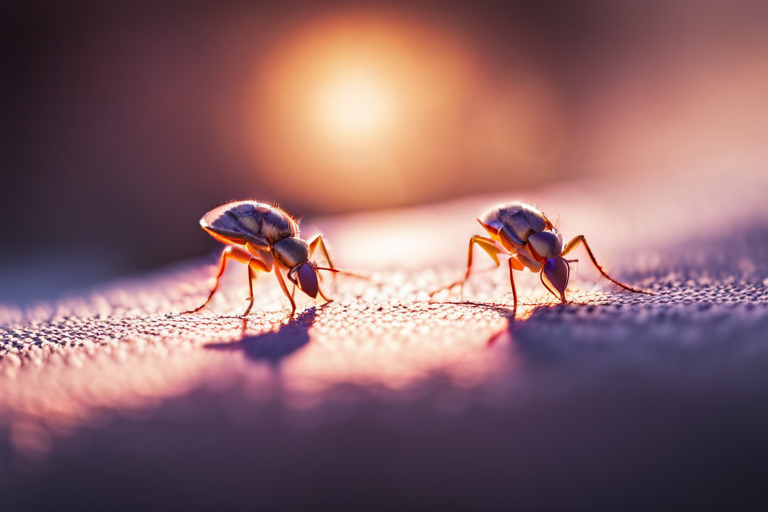
Pest infestations may seem like just a nuisance, but they can have a significant impact on your health and overall wellbeing. From spreading diseases to triggering allergies and asthma, these tiny intruders can wreak havoc on your daily life. In this blog post, we will delve into the various ways in which pest infestations can compromise your wellbeing and discuss the importance of taking proactive measures to address these issues. By understanding the health risks associated with pests and learning how to prevent infestations, you can create a safe, healthy environment for yourself and your loved ones. Don't let these pint-sized troublemakers disrupt your peace of mind any longer – let's explore the impact of pest infestations together.
Pest infestations may seem like a minor inconvenience, but they can actually pose serious risks to both your physical and mental health. One of the most obvious physical risks is the potential for bites or stings, which can cause discomfort, allergic reactions, and even transmit diseases. Additionally, pests such as rodents cockroaches can contaminate food water, exposing you to harmful bacteria pathogens. This can result in digestive problems and food poisoning, adding unnecessary stress to your life.
Beyond the physical risks, pest infestations can also take a toll on your mental wellbeing. Living in a space invaded by pests can lead to constant stress and anxiety. The feeling of being constantly watched or invaded by these unwanted guests can be quite unsettling, causing sleep disturbances and impacting your overall sense of peace and tranquility. This constant state of alertness and discomfort can wear you down emotionally, affecting your mood and even leading to depression in some cases.
To prevent the risks associated with pest infestations, it's crucial to take prompt action. Start by maintaining a clean living environment, as pests are attracted to food and clutter. Regularly inspect your home for any signs of infestations and address them immediately. If needed, seek professional pest control services to effectively eliminate the problem. By taking proactive steps, you can ensure a safe and healthy living environment for yourself and your loved ones.
How pests spread diseases through your home
Pests can be more than just a nuisance in your home. They have the potential to spread diseases and impact your health and wellbeing. Understanding how pests can transmit illnesses throughout your living space is crucial for maintaining a safe and healthy environment for you and your loved ones.
One common way pests spread diseases is through their bites. Mosquitoes, ticks, and fleas are infamous for carrying diseases like West Nile virus, Lyme disease, and even the bubonic plague. These pests can easily enter your home and leave you vulnerable to their infectious bites. It's important to take preventative measures like using insect repellent, wearing protective clothing, and regularly checking for any signs of these pests in and around your home.
Another way pests can spread diseases is through their droppings and urine. Rodents, such as mice rats, can contaminate your home with their waste introduce harmful bacteria viruses. These pests are known to carry diseases like hantavirus and salmonella. Keeping your home clean and properly sealed can help prevent rodents from entering and leaving behind their potentially harmful droppings.
In addition to bites and waste, pests can also spread diseases through their saliva or physical contact. Cockroaches, for example, can transmit diseases like salmonella and E. coli as they navigate through your kitchen. Flies, too, can transfer bacteria and viruses from decaying organic matter to your food and surfaces. Maintaining cleanliness and practicing effective pest control can significantly reduce the risk of these illnesses.
By knowing how pests can spread diseases throughout your home, you can take proactive steps to prevent infestations and protect your health and wellbeing. Regularly inspecting and sealing any potential entry points, practicing good hygiene, and seeking professional pest control services when needed can help safeguard your living space. Remember, a healthy home is a happy home!
The various types of pests and the diseases they can carry
Pests are an unwelcome sight in any home or garden, but did you know that they can also pose a threat to your health and wellbeing? It's true! From pesky mosquitoes to creepy crawling critters, the various types of pests can carry a range of diseases that can make you sick. But fear not! With a few simple precautions, you can protect yourself and keep the pesky pests at bay.
One type of pest that many of us are familiar with is the mosquito. These tiny insects may seem harmless, but they can carry some serious diseases such as malaria, dengue fever, Zika virus. To prevent mosquito bites, make sure to use insect repellent, wear long sleeves and pants when possible, and keep your surroundings free of standing water where mosquitoes like to breed.
Another common pest that can have a big impact on your health is the humble house mouse. These furry little creatures may seem innocent, but they can spread diseases like hantavirus and salmonella through their droppings and urine. To keep mice out of your home, make sure to seal any cracks or openings they might use as entry points, keep your kitchen clean and food stored securely, and use traps or professional pest control if needed.
Finally, we can't forget about those creepy crawlers that we often find in our gardens or on our pets – ticks and fleas. These tiny parasites can transmit diseases such as Lyme disease and typhus. To protect yourself and your pets, make sure to use tick and flea prevention products, check for ticks after spending time outdoors, and keep your pets' bedding and living areas clean and treated for pests.
While pests may be a nuisance, it's important to remember that we have the power to take control and protect our health and wellbeing. By being aware of the types of pests and the diseases they can carry, we can take simple steps to prevent infestations and keep ourselves and our loved ones safe. So why not embrace a pest-free paradise and enjoy a healthier and happier life?
Discussing the psychological effects of pest infestations
Pest infestations can have a significant impact on our health and wellbeing, both physically and psychologically. While it's easy to focus on the negative aspects, it's important to remember that there are solutions and ways to cope with these challenges. By addressing the psychological effects of pest infestations, we can navigate these situations with resilience and maintain a positive mindset.
One of the psychological effects of pest infestations is increased stress and anxiety. It's natural to feel overwhelmed when facing the presence of unwanted insects or rodents in our homes. However, it's essential to remember that this is a temporary situation that can be resolved. By implementing pest control measures, you can regain a sense of control and alleviate these feelings.
Another psychological impact is a sense of invasion and discomfort. Nobody likes the idea of sharing their living space with pests. However, it's important to stay positive and focus on the solutions. Working with a pest control professional can help establish a plan to eliminate the infestation and restore your home to a pest-free environment. It's reassuring to know that there are effective methods available to tackle this challenge head-on.
As a result, it is essential to acknowledge and acknowledge the psychological effects of pest infestations while maintaining a positive attitude. By addressing stress and anxiety and focusing on finding solutions, these challenges can be overcome. Remember, with the help of pest control professionals, you can reclaim your home and restore your peace of mind. Stay positive and know that you have the power to overcome any pest infestation.
The potential health risks of chemical treatments used for pest control
The potential health risks of chemical treatments used for pest control can be a cause for concern. While these treatments are effective in getting rid of pests, they often contain harmful chemicals that can have a negative impact on our health and wellbeing. Exposure to these chemicals has been linked to respiratory problems, skin irritations, and even more serious conditions like cancer.
However, it's important to remember that there are alternatives to chemical treatments that can be just as effective in controlling pests without posing a risk to our health. Natural pest control methods, such as using essential oils diatomaceous earth, are becoming increasingly popular are a safer option for both humans the environment.
By being aware of the potential health risks and exploring safer alternatives, we can maintain a pest-free home without compromising our wellbeing. It's important to consult with professionals who specialize in eco-friendly pest control methods to ensure the most effective and safe approach is taken. With the right knowledge and actions, we can keep our homes pest-free and our health intact.
Conclusion
The impact of pest infestations on health and wellbeing cannot be underestimated. While it may be easy to dismiss the presence of pests as a minor nuisance, this blog post sheds light on the hidden dangers they pose. From allergies and respiratory issues to the transmission of diseases, pests can wreak havoc on our physical health. Not only that, but their presence can also have a profound effect on our mental and emotional wellbeing, causing stress, anxiety, and a decrease in overall quality of life. By recognizing the significance of this issue, we can take proactive measures to protect ourselves and our loved ones. So, the next time you come across a pest infestation, think twice before ignoring it. Our health and wellbeing depend on it.