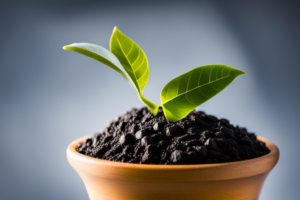
Welcome to the world of fragrant lilies! If you're a passionate gardener like me, you'll know that nothing beats the exquisite aroma of these beautiful, blooming flowers. Whether you're new to caring for fragrant lily bulbs or just looking for some expert tips and advice to enhance your gardening skills, you've come to the right place. In this how-to guide, I'll be sharing my firsthand experience and the secrets to successfully nurturing fragrant lily bulbs. From planting to watering and everything in between, I'll be your trusted companion throughout this aromatic journey. So, buckle up, roll up your sleeves, and let's dive into the wonderful world of fragrant lilies together!
Quick Tips
Tip 1: Plant your fragrant lily bulbs in well-draining soil to prevent excess moisture and root rot. Dig a hole about six inches deep and place the bulb pointy side up, covering it with soil. Water thoroughly after planting to help the roots establish.
Tip 2: Provide your fragrant lily bulbs with enough sunlight to thrive. Find a sunny spot in your garden where they can receive at least six hours of direct sunlight daily. Avoid shady areas that can hinder flower production.
Tip 3: Water your fragrant lily bulbs regularly, keeping the soil moist but not waterlogged. Check the soil moisture by inserting your finger about an inch deep into the soil – if it feels dry, it's time to water. During hot summer months, increase watering frequency to prevent dehydration.
Tip 4: Apply a balanced fertilizer, such as a 10-10-10 formula, to your fragrant lily bulbs once a month during the growing season to provide essential nutrients. Follow the instructions on the packaging for the right amount. This will help promote healthy growth and vibrant blooms.
Choose healthy bulbs with firm, blemish-free surfaces for optimal fragrance
To choose healthy bulbs with firm, blemish-free surfaces for optimal fragrance, start by examining the bulbs closely. Look for bulbs that are firm to the touch and show no signs of softness or mushiness. These qualities indicate that the bulbs are fresh and will have a better chance of producing a strong, pleasant fragrance. Additionally, check for any blemishes or discoloration on the bulb's surface. A healthy bulb should have a smooth, unblemished skin, as any damage may indicate disease or decay.
Next, consider the size of the bulb. Generally, larger bulbs tend to produce more fragrance than smaller ones. So when you have multiple options, it's better to choose the larger bulbs. These bulbs have more stored energy to produce strong, fragrant blooms. Keep this in mind when selecting bulbs for your garden or home. The size of the bulb can make a noticeable difference in the strength and longevity of the fragrance.
Lastly, pay attention to the overall condition of the bulb. Avoid any bulbs that appear shriveled or dried out, as they may be past their prime. A healthy bulb should feel plump and have a vibrant appearance. By selecting bulbs in good condition, you can ensure that they have the best chance of thriving and emitting the desired fragrance once planted. With these tips in mind, you'll be able to choose healthy bulbs that will bring delightful scents to your garden or indoor space.
How to Grow Lilies | How to Plant Lily Bulbs | 3 Great Ways | Summer Flowering Bulbs
Plant bulbs in well-draining soil during spring or fall
The right soil is crucial when planting bulbs in your garden. If you want your plants to grow successfully, I recommend well-draining soil. This type of soil allows excess water to drain away from the bulbs, preventing them from becoming waterlogged and rotting. During the spring or fall, when the soil is not too dry or frozen, it's the perfect time to plant bulbs in well-draining soil. This way, they have enough time to establish their root systems before the harsh summer or winter weather arrives.
To start, choose a sunny spot in your garden where the bulbs will receive at least six hours of direct sunlight each day. Prepare the soil by loosening it with a garden fork or a tiller. This will help the roots penetrate the soil easily. Next, dig a hole that is two to three times the size of the bulb's diameter and two to three times as deep. For example, if you have a bulb that is one inch in diameter, dig a hole that is two to three inches wide and two to three inches deep.
After digging the hole, place the bulb in the hole with the pointed end facing upwards. This is important for proper growth and flowering. Gently cover the bulb with soil, making sure it is completely buried and surrounded by soil. Finally, water the area thoroughly to help settle the soil and provide moisture for the bulb. Remember to avoid overwatering, as this can lead to bulb rot. With these simple steps, you can easily plant bulbs in well-draining soil and enjoy beautiful blooms in your garden during the growing season.
Provide full sun exposure and water consistently but avoid waterlogging
To provide your plants with full sun exposure, find a sunny spot in your garden where they will receive at least six hours of direct sunlight each day. Look for an area that is not shaded by buildings, trees, or other structures. You can also consider placing your plants in containers that can be moved around to different areas of your garden to ensure they receive ample sunlight. By providing your plants with full sun exposure, you are giving them the energy they need to grow and thrive.
Consistent watering is crucial for the health of your plants, but be mindful not to overwater and create waterlogging. When it comes to watering, it's important to strike a balance. You should water your plants regularly, but only when the soil feels dry to the touch. Stick your finger about an inch into the soil and if it feels dry, it's time to water. On the other hand, if the soil feels damp, hold off on watering for a little longer. Overwatering can lead to root rot and other plant diseases, so it's best to err on the side of underwatering rather than overwatering.
By providing full sun exposure and consistent, yet cautious watering, you are giving your plants the ideal conditions for growth. Remember to check on your plants regularly and adjust your watering schedule as needed. With a little attention and care, your plants will flourish and bring beauty to your garden. Happy gardening!
Apply a balanced fertilizer during active growth to enhance fragrance
During the active growth period of your plants, you can enhance their fragrance by applying a balanced fertilizer. First, choose a fertilizer with the right balance of nutrients, such as equal amounts of nitrogen, phosphorus, and potassium. Look for options that are specifically labeled for use on flowering plants, as they will contain the necessary trace elements to promote healthy growth and strong fragrance.
Next, it's time to apply the fertilizer. Start by watering your plants thoroughly to ensure the soil is moist. Then, carefully follow the instructions on the fertilizer package to determine the correct amount to use. Scatter the fertilizer evenly around the base of the plants, making sure to keep it away from the stems and leaves. Lightly rake the fertilizer into the top inch of soil, and then water the plants again to help the nutrients penetrate deeper into the soil.
Finally, remember to repeat this process periodically throughout the active growth season. Most balanced fertilizers will have directions on the package indicating how often to apply them, usually every four to six weeks. By consistently feeding your plants during their active growth, you'll provide them with the essential nutrients they need to flourish and maximize their fragrance.
Conclusion
Caring for fragrant lily bulbs may seem like a daunting task, but with expert tips and advice, it becomes an enjoyable and rewarding experience. By choosing healthy bulbs, planting them in well-draining soil, providing full sun exposure, and consistent watering, you can ensure optimal fragrance and stunning blooms. Incorporating fragrant lilies into your garden not only adds beauty but also elevates your outdoor experience, creating an inviting and aromatic atmosphere. So, whether you are an experienced gardener or a beginner, following these simple steps will undoubtedly enhance your gardening skills and bring joy to your life. Start caring for fragrant lily bulbs today and witness the transformative power they hold in improving your outdoor space.
FAQ
FAQ: How To Care For Fragrant Lily Bulbs – Expert Tips And Advice
Q1: What are fragrant lilies, and why are they popular among gardeners?
A1: Fragrant lilies, also known as Oriental lilies, are a group of flowering plants known for their captivating scent and stunning blooms. They are popular among gardeners for their ability to add beauty and fragrance to any garden or floral arrangement.
Q2: When is the best time to plant fragrant lily bulbs?
A2: The best time to plant fragrant lily bulbs is in the spring or fall. Spring planting allows the bulbs to establish roots before blooming, while fall planting allows for an early start in the following spring.
Q3: What are the ideal planting conditions for fragrant lily bulbs?
A3: Fragrant lily bulbs thrive in well-draining soil that is rich in organic matter. They prefer full sun or partial shade, and a location that offers protection from strong winds.
Q4: How should fragrant lily bulbs be planted?
A4: Fragrant lily bulbs should be planted at a depth of approximately 6-8 inches, with the pointed end facing up. Make sure to space the bulbs about 12-18 inches apart to allow for proper growth.
Q5: How often should fragrant lily bulbs be watered?
A5: Fragrant lily bulbs prefer consistently moist soil, but not overly saturated. Water the bulbs deeply once a week, or more frequently during dry spells. Ensure the soil drains well to avoid waterlogging.
Q6: Are there any specific fertilization requirements for fragrant lilies?
A6: Fragrant lilies benefit from regular fertilization. Use a balanced, slow-release fertilizer formulated for flowering plants in early spring and then again after blooms have faded. Follow the instructions on the fertilizer package for application rates.
Q7: How do I protect fragrant lily bulbs from pests and diseases?
A7: To protect fragrant lily bulbs from pests like aphids or lily beetles, consider applying a layer of organic mulch around the plants to deter them. Additionally, inspect the plants regularly for any signs of diseases like botrytis or viruses, and promptly remove infected foliage.
Q8: Do fragrant lilies require any special care during the winter months?
A8: Fragrant lilies are hardy perennials and generally tolerate winter well. However, in cold regions, adding a layer of mulch around the plants can provide insulation and protect the bulbs from freezing temperatures.
Q9: How long does it take for fragrant lily bulbs to bloom?
A9: After planting, fragrant lily bulbs typically take about 2-3 years to reach full maturity and produce abundant blooms. However, some varieties may bloom earlier than others.
Q10: Can fragrant lilies be grown in containers or pots?
A10: Yes, fragrant lilies can be successfully grown in containers or pots. Ensure the container has proper drainage, use high-quality potting soil, and provide regular watering and fertilization to support healthy growth.
Remember, fragrant lilies are a delightful addition to any garden but require committed care to thrive. By following these expert tips and advice, you can ensure your fragrant lily bulbs will flourish, exuding their delightful scent and stunning blooms for years to come.