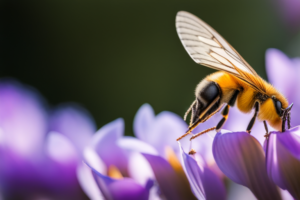
Hey there, garden enthusiasts! Are you tired of battling pesky pests that keep feasting on your precious plants? Well, I've got some good news for you. In this blog post, I'm going to share expert strategies on how to effectively control garden pests without relying on chemicals. Yes, you heard that right – no more harmful toxins in your garden! By the time you finish reading this, you'll have a toolkit of techniques to put into action, ensuring your beautiful plants can thrive pest-free. So, grab your gardening gloves and let's dive right in!
Quick Answer
One expert strategy for controlling garden pests without chemicals is to attract beneficial insects such as ladybugs and lacewings. You can do this by planting flowers like marigolds and daisies that attract these predators. Another strategy is to manually remove pests, using techniques like handpicking or spraying them with a strong water stream. Additionally, introducing natural predators like nematodes or birds can help keep pests at bay.
physical barriers are most effective in pest control?
Yes, physical barriers are highly effective in pest control. By implementing these barriers, you can physically prevent pests from entering your property or accessing certain areas. For example, installing screens on windows and doors can keep insects out, while fencing can deter larger pests like rodents or wildlife. Physical barriers act as a proactive approach, reducing the use of pesticides while maintaining a pesticide-free environment. However, it's important to ensure these barriers are properly installed and maintained to maximize their effectiveness. Regularly inspecting and repairing any damages or gaps will help you keep pests at bay and maintain a pest-free space.
often should garden soil be tilled to prevent pest infestations?
To prevent pest infestations, it is recommended to till the garden soil at least once a year. Tilling helps to disrupt the life cycle of pests, such as insects and weeds, by exposing them to sunlight and air, which can lead to their demise. By turning over the soil, you create a physical barrier that makes it harder for pests to reproduce and proliferate. Additionally, tilling also helps to break up compaction and improves soil drainage, which further deters pests. However, be cautious not to over-till as it can disturb the natural balance of beneficial organisms in the soil.
companion planting strategies can be used to deter pests?
In addition to deterring pests, companion planting strategies are also very effective for attracting beneficial insects. By planting certain combinations of crops together, you can naturally repel insects and reduce the risk of pest infestations. For example, planting marigolds near your vegetables can deter aphids and nematodes, while growing basil alongside tomatoes can repel flies and mosquitoes. Additionally, intercropping with plants such as mint, chives, or garlic can help repel a wide range of pests. Remember to research specific companion planting combinations for your region and crops, as some plants may have conflicting needs. Overall, incorporating companion planting into your gardening practices can significantly decrease the reliance on chemical pesticides and promote a healthier, more balanced ecosystem in your garden.
practices should be avoided when attempting to control pests organically?
In order to ensure effective and safe pest management, you should avoid certain practices when attempting to control pests organically. Firstly, using synthetic chemical pesticides contradicts the organic approach, as it can harm not just pests but also beneficial insects and the environment. Additionally, avoid over-fertilizing your plants, as excessive nutrient levels attract pests. Instead, maintain proper plant health by providing adequate water, sunlight, and soil nutrition. Avoid overcrowding plants, as it creates an ideal environment for pests to thrive. Lastly, neglecting proper sanitation and not removing pests' hiding spots can lead to infestations. Follow these guidelines to successfully control pests organically.
[outline]
Final Words
The knowledge you gained about organic, natural, and chemical-free pest control has proven invaluable in the process of investigating expert approaches for controlling garden pests. The significance of this question lies in the fact that it provides you with alternative options to traditional pest control methods, which often rely heavily on harmful chemicals. By implementing eco-friendly and sustainable pest control measures, you can not only protect your garden, but also contribute to a healthier environment for yourself, your family, and the ecosystem as a whole. With the use of pest-resistant plants, biological pest control methods, and integrated pest management techniques, you can effectively prevent and manage garden pests without resorting to chemicals. Additionally, with the option of homemade pest remedies, you have the freedom to customize pest control solutions that meet your specific needs. By taking these steps, you can improve the health and longevity of your garden while also promoting a greener and safer environment. So, go ahead and put these expert strategies into practice, and enjoy the benefits of a pest-free garden without harmful chemicals.
FAQ
A: Chemical pesticides can have harmful effects on the environment, wildlife, and beneficial insects. Additionally, they can contaminate the soil and water, negatively impacting the overall ecosystem. By opting for natural pest control methods, you can create a healthier and more sustainable garden.
2. Q: What are the common garden pests and how can I identify them?
A: Common garden pests include aphids, slugs/snails, caterpillars, whiteflies, and beetles. You can identify them by observing the damage they cause, their appearance, or through pest identification guides available online or at local garden centers.
3. Q: How can I prevent pests from infesting my garden in the first place?
A: Prevention is key. Some strategies include practicing proper hygiene in the garden, removing any dead plant material, regularly weeding, and maintaining good soil health. You can also plant pest-resistant varieties, use row covers or physical barriers, and encourage beneficial insects to naturally control pests.
4. Q: Are there any plants that naturally repel pests?
A: Yes, several plants help deter pests. For example, marigolds repel aphids and nematodes, basil deters flies and mosquitoes, and garlic repels beetles and aphids. Planting these pest-repelling plants alongside vulnerable crops can offer natural protection.
5. Q: How can I attract beneficial insects to my garden?
A: Beneficial insects such as ladybugs, lacewings, and bees can assist in controlling garden pests. By incorporating pollinator-friendly plants, providing water sources, and creating sheltering areas like insect hotels, you can attract these beneficial insects and enhance your garden's natural balance.
6. Q: Are there any natural sprays or concoctions I can use against pests?
A: Yes, homemade sprays can be effective against pests. For instance, a mixture of water, soap, and oil is often used to control aphids. Neem oil, a naturally derived product, can help combat a variety of pests. However, it is essential to research proper application and follow the instructions appropriately.
7. Q: How can I control slugs and snails without chemicals?
A: To control slugs and snails naturally, tactics such as handpicking, creating barriers with copper tape or crushed eggshells, or placing beer traps can be effective. Additionally, encouraging natural predators like frogs, toads, and birds into your garden can help keep the slug and snail populations under control.
8. Q: Are there any cultural practices that can deter pests?
A: Yes, certain cultural practices can minimize pest problems. Regularly rotating crops, interplanting different species to confuse pests, and practicing companion planting are effective methods. Adequate spacing between plants, proper watering, and ensuring healthy soil can also make your plants less susceptible to pest attacks.
9. Q: How can I control caterpillars without chemicals?
A: To control caterpillars naturally, you can handpick them off plants, use collars around young plants to prevent access, or introduce biological pest control like Bacillus thuringiensis (BT), a bacterial spray that targets caterpillars specifically. Birds, wasps, and other natural predators can also help control caterpillar populations.
10. Q: What should I do if my natural pest control methods aren't working?
A: Persistence is key. If natural methods aren't sufficient, you can consider using organic-approved pest control products that utilize natural ingredients, such as plant-based oils or beneficial bacteria. It's crucial to always follow the instructions and use these products sparingly to minimize potential harm to beneficial insects and the environment.