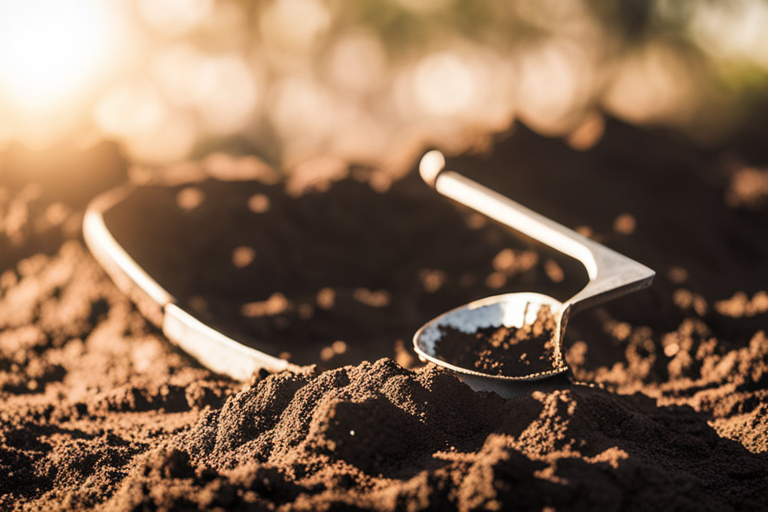
Are you looking for tips on how to ensure a successful planting season? As any experienced gardener will tell you, soil preparation is key to growing healthy plants and getting a bountiful harvest. But what does soil preparation entail, and why is it so important? The benefits are clear: healthy soil provides plants with the nutrients and water they need to thrive, giving you a better chance of success in your garden. Whether you're an experienced gardener or just starting out, taking the time to properly prepare your soil can help you achieve better results and enjoy a successful growing season. In this step-by-step guide, we'll take a closer look at the process of soil preparation and offer tips to help you get the most out of your garden. So read on to learn more about how you can give your plants the best chance of success with proper soil preparation.
I recently learned the importance of soil preparation in creating a healthy environment for plants to thrive. Before planting anything in my garden, I used to just dig a hole and throw some seeds in. But after doing some research, I realized that this approach was not ideal.
Soil preparation involves a few steps, including adding organic matter such as compost, tilling the soil, testing the pH levels. These steps may seem like a lot of extra work, but the end result is well worth it.
One of the main benefits of soil preparation is that it allows plants to absorb the necessary nutrients and water they need to grow. When the soil is properly amended with organic matter, it becomes more fertile and provides a better environment for the roots to grow. Plus, if you know your soil's pH, you can choose plants that are better suited to your soil.
Another benefit of soil preparation is that it can help prevent plant diseases and pests. When the soil is healthy, the plants are less likely to be attacked by pests and diseases. This means you will have to spend less money on pesticides and fungicides to keep your plants healthy and growing strong.
Preparation of the soil for planting is an important step in ensuring a successful garden. It may take a little extra time and effort, but the benefits are worth it. Your plants will thank you!
Planting season is an important part of successful gardening, as the right timing of planting can lead to better harvests
The right planting season makes a huge difference in the success of your garden. It's all about timing, and planting at the right time will make all the difference. Not only does planting at the right time lead to better harvests, it can also help prevent disease and pest problems.
One important thing to keep in mind when planting is the climate in your area. Different plants thrive in different temperatures and climates, so be sure to do your research and choose plants that are suitable for your region. It's also important to pay attention to the weather conditions, as planting during a drought or heavy rain can have negative effects on your plants.
Another benefit of planting at the right time is that it can help you save time and money in the long run. By planting at the ideal time, your plants will be healthier and more resistant to disease and pests, which means you'll spend less time and money on pesticides and other treatments.
In addition to all of these benefits, planting also has a positive impact on the environment. Plants help to improve air quality, reduce soil erosion, and provide habitat for wildlife. So not only will you be reaping the rewards of a successful garden, you'll also be doing your part to support a healthy ecosystem.
As a result, planting at the right time is critical for a successful garden, as well as being beneficial to the environment as a whole. By doing your research and paying attention to weather conditions, you can set your garden up for success and enjoy the fruits of your labor all season long.
Gardening tips can help gardeners ensure their gardens are healthy and successful
Gardening can provide many benefits to both the environment and the gardener. By cultivating soil, growing plants, and nurturing wildlife, you can create a healthy and sustainable environment for yourself and your community. However, gardening can be challenging, especially if one is not familiar with the proper techniques and methods involved. That's why we have put together some gardening tips to help ensure your garden is healthy and successful.
A good way to start a garden is to identify the proper soil for your specific project. For instance, if you are growing flowers, then choose a loamy soil that drains well. On the other hand, if you are planting vegetables, then you may need a soil that is rich in nitrogen. Additionally, it's critical to ensure that you provide your plants with adequate light, water, and nutrients. Regular watering, soil enrichment, and fertilization can help ensure your plants are healthy and thriving.
Another essential element in gardening is pest control. Pests can quickly destroy a garden if not controlled early. You can use various methods to control pests, including organic and chemical approaches. For instance, you can use companion plants, natural predators, and other methods to eliminate pests without relying on harmful chemicals.
The tips you learned in this article will allow you to create and maintain a beautiful, healthy garden that will provide you with joy and sustainability for years to come. Gardening is an enriching and productive activity that offers many benefits to both the gardener and the environment. So, get out and start gardening, and enhance your life!
Organic gardening is beneficial as it reduces the use of harmful synthetic fertilizers and pesticides
Organic gardening is an environmentally-friendly method for growing plants and crops without the use of harmful synthetic fertilizers and pesticides. Instead, organic gardeners rely on natural methods to enrich the soil and control pests. This method of gardening has a number of benefits to both the environment and the health of individuals.
Firstly, organic gardening eliminates the use of toxic chemicals that can harm the soil, water, and air quality. These chemicals can also have a negative impact on the health of wildlife and humans. By switching to natural methods, organic gardening reduces the risk of environmental damage and protects the health of individuals.
Secondly, organic gardening increases the nutritional value of the crops grown. Organic practices focus on building healthy soil, which in turn produces healthier plants. This means that the food grown is more nutritious and has a richer taste.
Lastly, organic gardening is beneficial for biodiversity. By avoiding the use of pesticides, organic gardeners encourage a diverse array of insects and other organisms to thrive in their gardens. This leads to a healthy and balanced ecosystem, which is essential for the long-term health of the environment.
The process of organic gardening generally involves growing plants and crops in a way that is sustainable, healthy, and environmentally friendly. By switching to natural methods, individuals can reduce their impact on the environment and improve their own health.
Soil health is essential for a successful garden, as healthy soil provides the necessary nutrients to plants for their growth
One of the key aspects of having a successful garden is ensuring that the soil is well-prepared and healthy. This is because healthy soil is the foundation on which plants grow and thrive. A healthy soil not only provides the necessary nutrients for plants but also protects them against diseases and pests.
Soil preparation is essential for getting the most out of your garden. Before planting any crops, it's important to till the soil to break up any clumps and ensure it's loose and aerated. Adding organic matter like compost, manure, or leaf mold to the soil can improve its quality, enhance its structure, and enable the soil to hold more water.
Soil health can be improved by promoting biodiversity in your garden. This can be done by planting a mix of different crops, including cover crops like clover or vetch, which add nitrogen to the soil. Additionally, avoiding using synthetic fertilizers and pesticides can help maintain a healthy soil flora and fauna.
A healthy soil is also beneficial to the environment, as it reduces soil erosion and enhances water retention. It can also improve the quality of the air, as healthy soil can absorb carbon from the atmosphere, reducing its concentration and improving air quality.
To sum up, healthy soil is the key to successful gardening. Proper soil preparation techniques, such as tilling adding organic matter, will promote soil health result in more plentiful, resilient crops. By prioritizing soil health, gardeners can reduce their environmental impact and enjoy a flourishing garden.
Conclusion
To conclude, prepping your soil for planting is a crucial step towards growing a healthy and successful garden. By ensuring your plants are provided with the right environment, you ensure they can properly absorb nutrients and water. Timing is also important, and planting at the right time can mean the difference between success and failure. With the help of these gardening tips, you can be confident in creating a healthy and successful garden that will bring joy and nourishment to you and your family. So roll up your sleeves, grab your tools, and prepare your soil for a bountiful planting season!
FAQ
: Yes, it is important to prepare your soil before planting season to create an optimal environment for plant growth. According to the extension office of Iowa State University, preparing soil “can improve the growth and yield of crops, reduce erosion, conserve soil moisture, encourage healthier plant roots, and improve soil structure.”
Q: Can't I just use any type of soil for gardening?
A: No, not all soil types are suitable for gardening. The University of California Agriculture and Natural Resources states that garden soil should have a pH between 6.0 and 7.5 and should be well-drained and aerated. Using unsuitable soil can result in poor plant growth and yield.
Q: I've heard that tilling is the best way to prepare soil. Is this true?
A: Tilling is one way to prepare soil, but it may not always be necessary or the best option. According to a study by the University of Minnesota Extension, “repeated tilling can result in compacted soil, loss of soil structure, decreased soil organic matter, and loss of soil nutrients.” The study suggests using alternative methods such as no-till minimum tillage.
Q: Can I just add fertilizer to my soil to improve plant growth?
A: While adding fertilizer can provide additional nutrients to the soil, it may not be the only solution to improve plant growth. The University of Maine Cooperative Extension recommends soil testing to determine which nutrients may be lacking in the soil. The test results can guide the use of amendments such as lime, compost, or other organic matter to improve soil structure and fertility.
Q: I'm starting a new garden bed. How deep should I prepare the soil?
A: The depth of soil preparation depends on the depth of the plant roots. The University of Illinois Extension suggests preparing the soil to a depth of at least 8 to 12 inches for most vegetables and annual bedding plants. Deeper preparation may be necessary for certain plants with deeper roots such as trees and shrubs.

