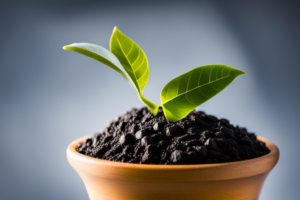
Composting Benefits: How Organic Waste Recycling Saves The Environment And Your Wallet
In today's world, where climate change and environmental degradation have become pressing concerns, finding sustainable solutions is no longer an option but a necessity. That's why composting has gained increasing popularity as a practical and effective way to reduce waste and protect our planet. This article dives into the many benefits of organic waste recycling, showing how it not only helps to address critical environmental issues but also saves you money in the process. From reducing greenhouse gas emissions to enriching soil fertility, composting offers a win-win solution for both individuals and the planet. So, let's explore the wonders of composting and discover how it can make a significant impact on your life and the health of our fragile ecosystem.
Exploring the financial benefits of composting is not only good for your wallet, but also has a positive impact on the environment. By recycling organic waste through composting, you can save money on garbage disposal fees and reduce the amount of waste sent to landfills. This simple and affordable practice contributes to a greener and more sustainable future.
Composting allows you to create your own nutrient-rich soil conditioner for your garden or plants. By diverting food scraps and yard waste from the trash bin, you can produce high-quality compost that promotes healthy plant growth and reduces the need for chemical fertilizers. Imagine the savings you can enjoy by eliminating the need to purchase expensive commercial fertilizers year after year!
Additionally, composting can help lower your water bill. Adding compost to your soil improves its water-holding capacity, reducing the need for frequent watering. This means less water usage and more savings for you. Moreover, with less organic waste being sent to landfills, methane emissions produced by decomposition are reduced, helping to mitigate the impact of climate change.
Therefore, composting offers more benefits than just environmental sustainability. By exploring the financial advantages of composting, you can save money on waste disposal, eliminate the need for expensive fertilizers, and even lower your water bill. Start composting today and reap the rewards for both your wallet and the planet!
Exploring the Benefits of Composting: How Organic Waste Recycling Saves The Environment and Your Wallet
Exploring the Benefits of Composting: How Organic Waste Recycling Saves The Environment and Your Wallet
Composting is not just a yard chore; it’s a powerful way to contribute to a greener planet and even bolster your finances. By simply recycling your organic waste, you can make a positive impact on the environment and cut down on your household expenses. It's an easy win-win!
Firstly, let’s talk about the environmental benefits of composting. Organic waste that is typically thrown away in landfills emits harmful greenhouse gases when it decomposes. By composting, you divert this waste from the landfill, reducing emissions and fighting climate change. Furthermore, composting creates nutrient-rich soil that helps plants grow healthier and stronger, reducing the need for chemical fertilizers. This not only protects the environment but also ensures a safer and healthier food chain for all of us.
Not only does composting benefit the environment, but it also helps your wallet. By composting at home, you can significantly reduce the amount of waste that needs to be collected and disposed of by your local waste management service. This can often lead to lower waste management fees and costs for your household. Additionally, the nutrient-rich compost you create can be used as a natural fertilizer for your garden, eliminating the need to purchase costly chemical fertilizers. Embracing composting not only saves money in the long run but also opens up new possibilities for growing your own fresh and organic produce.
How composting helps reduce landfill waste
Composting is not only a wonderful way to recycle organic waste, but it also plays a vital role in reducing landfill waste. By participating in composting, you are actively contributing to the health of our environment while also saving a significant amount of money. Let's take a closer look at how composting benefits both the planet and your wallet.
First and foremost, composting diverts organic waste from landfills. When food scraps and other biodegradable materials end up in the landfill, they release harmful greenhouse gases like methane as they decompose without oxygen. By composting these waste items instead, you are providing them with the ideal conditions to break down into a nutrient-rich soil amendment. This helps minimize the release of methane gas, a major contributor to climate change, and reduces the burden on landfills.
Additionally, composting can save you money. Instead of purchasing expensive chemical fertilizers for your garden or plants, you can use your own compost to enrich the soil. Compost is a natural and cost-effective alternative that improves soil structure, retains moisture, and provides essential nutrients to plants. Not only will you be benefiting from healthier, more vibrant plants, but you'll also avoid spending unnecessary money on commercial fertilizers.
As a result, composting is a simple yet powerful way to benefit the environment and your finances. By diverting organic waste from landfills, you are helping to reduce greenhouse gas emissions and landfill waste. Furthermore, using your own compost can save you money by eliminating the need for expensive fertilizers. Start composting today and let nature work its magic in your garden while you enjoy the many benefits it brings.
How Composting Reduces Your Carbon Footprint
Composting Benefits: How Organic Waste Recycling Saves The Environment And Your Wallet
When it comes to reducing our carbon footprint, composting is a simple yet effective solution that anyone can take part in. By composting your organic waste, such as fruit vegetable scraps, you are not only diverting waste from the landfill but also helping to reduce greenhouse gas emissions. When organic waste breaks down in a landfill, it produces methane, a potent greenhouse gas that contributes to climate change. Composting, on the other hand, allows organic materials to break down aerobically, reducing methane emissions and promoting a healthier planet.
Not only does composting help the environment, but it also brings financial benefits. Instead of buying chemical fertilizers for your plants, you can use nutrient-rich compost to nourish your garden. Compost improves soil quality, increases its water retention capacity, and reduces the need for pesticides. By utilizing this natural resource, you can save money and create a sustainable cycle where your waste becomes a valuable asset.
Composting is a small act that can make a big impact. By diverting organic waste from landfills, we can reduce greenhouse gas emissions and mitigate climate change. Additionally, composting offers a practical solution for fertilizing your garden and saving money. So why not start composting today and be a part of the positive change for our planet and your wallet?
How composting can help you save money in your garden
Composting is not only an eco-friendly way to deal with organic waste but also a fantastic money-saving technique for your garden. Instead of throwing away food scraps and other organic materials, you can transform them into nutrient-rich compost that will benefit your plants and your wallet. By composting, you're creating a valuable resource that replaces the need for store-bought fertilizers and soil amendments.
One significant advantage of composting is that it helps improve the quality of your soil. When you add compost to your garden beds, it enriches the soil with essential nutrients and microbes, promoting healthy plant growth. As a result, you'll need fewer chemical fertilizers, saving you money in the long run. Plus, composting reduces the amount of waste you send to the landfill, which can help lower waste disposal costs and even save on trash bags.
Moreover, composting can help your garden become more self-sustaining. As you recycle your kitchen scraps and yard waste, you'll notice that the compost breaks down over time, forming a dark, crumbly substance. This substance is the perfect addition to your garden beds as it improves soil structure, retains moisture, and suppresses weeds. By relying on compost, you'll be less dependent on expensive water irrigation systems and herbicides, ultimately leading to significant savings.
As a result, composting can be an effective way to save money in the gardening department. It nourishes your plants, reduces the need for store-bought fertilizers, and enhances soil health. Composting also reduces waste disposal costs and helps lower reliance on irrigation and herbicides. So, why not give composting a try? Not only will you benefit from fresh, healthy produce, but you'll also be pleasantly surprised by the impact on your wallet.
Conclusion
Therefore, embracing composting as a practice not only benefits the environment but also your wallet. By diverting organic waste from landfills, we can save precious resources and reduce greenhouse gas emissions. Additionally, composting provides nutrient-rich soil that can improve the health of your plants and reduce the need for chemical fertilizers. As we strive to become more sustainable and mindful of our impact on the planet, composting becomes a powerful tool in our arsenal. So, why not harness the power of decomposition and transform our waste into a valuable resource? Let's embark on this journey together, not only for a greener earth but also for the sake of our collective future.