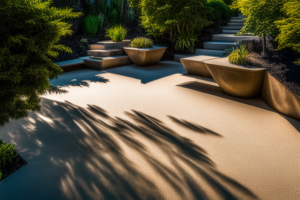
Gardening is a fulfilling hobby that a lot of people partake in to add a touch of freshness and beauty to their homes. The secret to having a successful garden lies in understanding your soil and planting zones. The soil type in your garden can make or break the growth of your plants. If you are new to gardening and you want to give your outdoor space a makeover or you are trying to upgrade your garden, this post is for you. It is important to understand your soil conditions to make informed decisions when it comes to choosing the right plants to support growth in your garden.
Furthermore, understanding your planting zones will also aid in your plant selection process. Planting the wrong type of plant in the wrong zone may lead to frustration and wasted attempts at gardening. This post will offer valuable insights on how to assess your soil and plant according to your planting zone. It will also discuss how to improve soil conditions and choose the right plants for your garden.
Whether you are an experienced gardener or just starting out, understanding your soil and planting zone is essential for the proper growth of your plants. In this post, we will guide you through the key steps to take to ensure that your garden is thriving.
Are you looking to revamp your garden but not sure where to start? Look no further than Garden Renovation 101: Understanding Your Soil and Planting Zones. This introductory guide is perfect for both seasoned gardeners and those new to the hobby.
First, let's talk about soil. Understanding the quality and composition of your soil is crucial for successful gardening. The texture, pH level, and nutrient content should all be taken into consideration when choosing and planting your greenery. Don't overlook the importance of a thorough soil analysis before starting your garden renovation project.
Next, let's consider planting zones. Different regions have different planting zones, which are determined by climate and weather patterns. Before you start planting, make sure to research which plants are best suited for your specific area. This will ensure that your plants thrive and produce beautiful blooms and fruits.
With these basic tips in mind, you'll be well on your way to a beautiful and flourishing garden. Remember, gardening is a journey, so don't be afraid to experiment and try new things. Happy planting!
Steps to Assessing Your Soil Conditions
If you're planning to renovate your garden, the first thing you need to do is assess your soil conditions. But how do you do it? Here are some easy steps to follow:
Step 1: Dig a Hole – Start by digging a hole in your garden about six inches deep, and make sure it's wide enough to take a good look at the soil.
Step 2: Evaluate the Soil – Take a closer look at the soil. Is it sandy or clay-like? Is it dark or light in color? These factors can help determine what type of plants will do well in your garden.
Step 3: Test the pH Level – Use a home testing kit or send a sample of your soil to a lab to determine the pH level. This will inform you what kind of amendments are necessary to balance out your soil's pH level.
Step 4: Add Some Fertilizer – If your soil is lacking in nutrients, add some organic fertilizer or compost. This helps boost the nutrient content and increase fertility.
By understanding your soil conditions, you can determine what plants are best for your garden. It's also essential to consider your planting zones, which are based on the temperature and climate of your region. With these factors in mind, you can take the first step towards a beautiful and thriving garden.
Understanding Your Planting Zones
Understanding your planting zones can be the key to a successful garden renovation. While it may be tempting to grow any plant that catches your eye, planting outside of your designated zone can result in disappointment and frustration. By understanding what plants work best in your area, you can save yourself both time and money.
The United States is divided into 13 planting zones, each with its distinct climate and weather patterns. These zones are determined based on the average annual minimum temperature, which can have a significant impact on which plants can thrive. Knowing your local planting zone can help you choose plants that will flourish in your area, making it easier to maintain a healthy garden.
It's also important to consider factors beyond your planting zone, such as soil quality sunlight exposure. By taking the time to assess these key components, you can make informed decisions about which plants will work best in each area of your garden. This can help you create a beautiful, thriving outdoor space that brings joy and tranquility year-round.
For any garden renovation to be successful, it is imperative that you understand your soil and planting zones. By taking the time to do your research and assess your unique conditions, you can choose plants that will thrive and create a beautiful outdoor space for years to come. Whether you're a seasoned gardener or new to the craft, investing in this knowledge can pay off in spades.
Tips for Choosing the Right Plants for Your Garden
Choosing the right plants for your garden can make all the difference in the success and beauty of your outdoor space. Before you rush to the nursery, take some time to consider your garden's specific needs. The first step is to understand your planting zone – a geographic area that determines which plants will thrive in your climate. It's important to select plants that are suited to your zone, so they'll have the best chance of surviving and thriving.
Another factor to consider is soil type. Some plants prefer well-draining soil, while others thrive in moist soil. You can determine your soil type by conducting a simple soil test, available at most garden centers. Don't be discouraged if your soil isn't perfect – you can always amend it to improve its quality.
When selecting plants, consider their growth habits. Do you want a low-maintenance garden with minimal pruning, or are you willing to put in some effort to train your plants to a trellis or support structure? Also, think about the color and texture you want to incorporate into your garden. Will you choose a specific color theme or opt for a rainbow of hues?
By taking the time to understand your garden's needs and choosing plants that will thrive in your environment, you'll set yourself up for a successful garden renovation. With a little planning and effort, you'll be able to create an outdoor space that brings you joy and serenity for years to come.
Improving Soil Conditions to Support Plant Growth
Do you dream of having a lush, vibrant garden? If so, it's essential to understand the importance of soil conditions. High-quality soil is crucial for plant growth and success. Fortunately, improving soil conditions can be both simple and affordable.
First, it's vital to test your soil. You can buy a test kit at your local garden center or order one online. Once you know the pH level of your soil, you can make adjustments as needed. For example, if your soil is too acidic, you can add lime to bring the pH level up. On the other hand, if your soil is too alkaline, you can add sulfur to lower the pH level.
Next, consider adding organic matter to your soil. Organic matter can include things like compost, manure, and leaf mold. These natural materials provide nutrients for your plants, help retain moisture, and improve soil structure. Plus, they're easy to find and often inexpensive.
Finally, don't forget about the importance of planting zones. Understanding your planting zone – which is based on factors like climate and temperature – can help you choose plants that are more likely to thrive in your specific environment. When selecting plants, consider their sunlight and water needs, as well as their hardiness.
By taking these simple steps to improve your soil conditions, you'll be on your way to a thriving, beautiful garden. Happy planting!
Conclusion: Achieving an Optimal Garden with Garden Renovation 101
Gardening can be a fulfilling experience, but it does require some knowledge and effort. Fortunately, with Garden Renovation 101, anyone can achieve an optimal garden. Understanding your soil and planting zones is crucial to achieving success. By doing so, you can ensure that your plants have the ideal environment to grow and thrive.
Soil is the foundation of any garden. Without the proper nutrients and pH balance, plants will struggle to grow and flourish. Knowing the type of soil you have and what amendments may be necessary can make a significant impact on your garden's health. Take the time to test your soil, add organic matter, and invest in soil conditioners. These simple steps can help you achieve the optimal growing conditions for your plants.
Planting zones are another essential factor in garden success. Understanding which plants are best suited for your area can keep you from wasting money and time on plants that won't thrive in your climate. Take advantage of local resources, such as gardening clubs nursery professionals, to learn which plants do well in your region. Planting zones can also help you plan out your garden and ensure that you have a good mix of plants that will look beautiful throughout the growing season.
The bottom line is that with knowledge and effort, everyone can make their garden as attractive and healthy as possible. Garden Renovation 101 provides the foundation for success by understanding your soil and planting zones. Remember to test your soil, add organic matter and soil conditioners, and research which plants are best suited for your region. By doing so, you'll create a garden that is beautiful, healthy, and enjoyable for years to come.
Conclusion
An understanding of your soil and planting zones is essential to any garden renovation project. It lays the foundation for a thriving garden, free from nutrient deficiencies and drainage problems. With this knowledge, you can make informed decisions on the types of plants to grow, how to prepare and amend your soil, and how to care for your garden in different seasons. So, before you embark on any garden renovation project, ensure you understand your soil and planting zones thoroughly. Your garden will thank you with lush, healthy growth and bountiful blooms!